
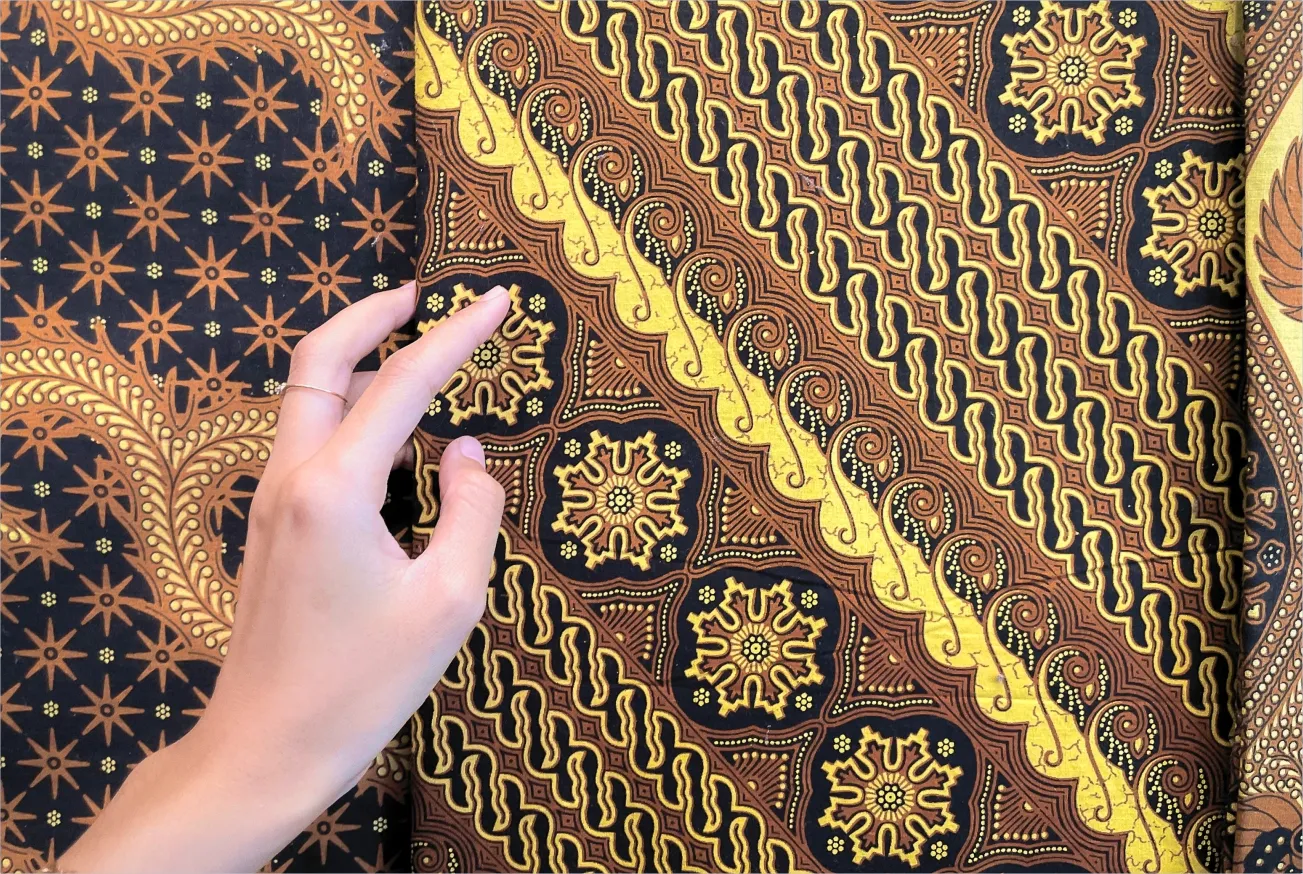
Behind Every Piece of Fabric: Understanding the Textile Printing Process
When we look at finished fabric, our attention usually goes to its pattern and colors.
But before it is ready to use, fabric passes through several stages. Each process is connected and contributes to the quality required for the finished product.
1. Material Selection
The process starts with choosing a material that suits the product.
Every fabric has different characteristics: some feel lightweight and comfortable, some are more durable, and others are selected for specific product requirements.
That makes material selection an important first step in production.
2. Pattern Development
Once the material is selected, the pattern is developed.
Patterns can be tailored to the product and customer requirements. Whether it is a batik pattern or a more contemporary textile design, each design must be prepared for the selected material.
3. Color Proofing
Colors on a digital design may look different when printed on fabric.
Proofing allows the colors and pattern to be reviewed and adjusted before production begins.
This step helps reduce the difference between the intended design and the result on the fabric.
4. Printing
Once the design and colors are ready, printing applies the pattern to the fabric.
The printing method can be selected to suit production requirements, and process accuracy is essential to achieving the intended pattern and colors.
5. Quality Control
After production, the fabric is inspected.
Quality control ensures the finished product meets the required standards for pattern, color, and overall condition.
6. Packing
Once it passes inspection, the fabric is prepared for the next steps, including packing and delivery.
Every stage has a role in turning raw material into finished fabric.
Quality is not determined by the final result alone—it starts with the right process from the very first step.